
Current projects

Gaussian Splatting: Harry Potter
Jun 01 2026
(Light Detection and Ranging) Uses pulsed laser beams to measure environments extremely quickly. Capable of capturing millions of points it is perfect for outdoor spaces and natural environments that need lots of detail.
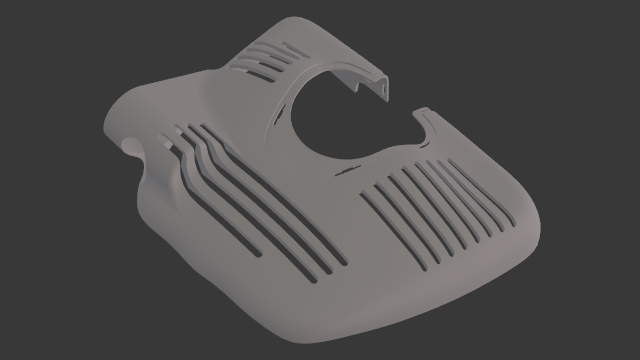
Reverse Engineering: Volvo Dashcam
Visual Art/Entertainment
Uses an algorithm to analyze overlapping images or videos to reproduce a 3D model of the environment shown. Can work with any type of camera but typically does not produce dimensionally accurate results.
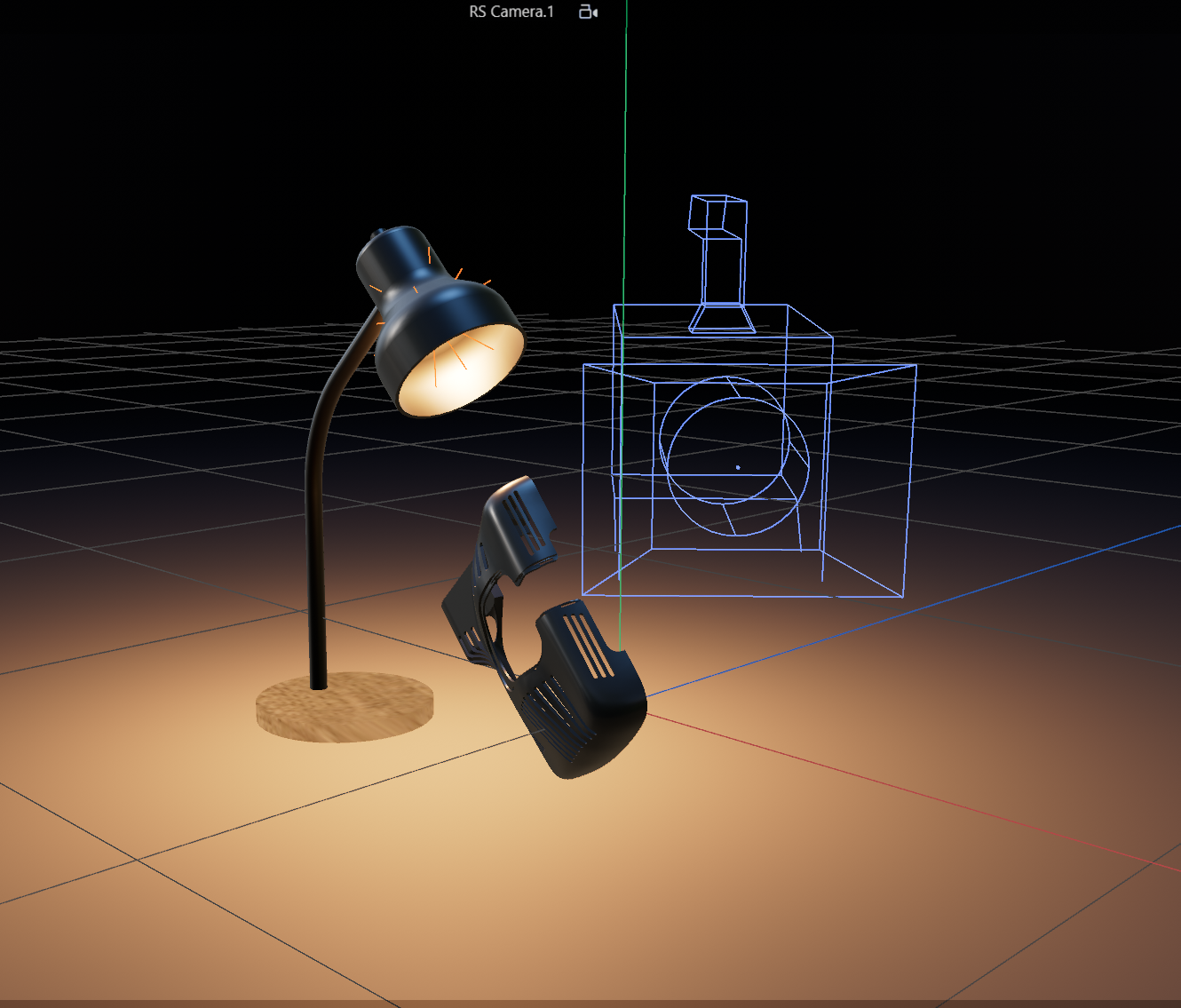
Product Rendering Spotlight
CAD/Reverse Engineering

Reverse Engineering: Blower Fan
Construction/Surveying
Broken squirrel cage fan brought to me from an airhockey table, scanned and printed a new one in just a weekend.
Start From Scratch
3D scanning is the process of digitally capturing the shape and appearance of real-world objects and environments. Using cameras, lasers, or AI, these techniques convert physical spaces into data that can be viewed, shared, and manipulated on a computer. Over the past few years, 3D scanning has exploded in accessibility — what once required expensive hardware can now be done with a smartphone. This site explores the different methods used to create 3D captures, with a focus on an exciting new technique called Gaussian Splatting.
Acknowledgements
All information and visual data on this website was gathered by Nicholas Conover. This is meant to serve as informational content as well as a portfolio of the research I have done.
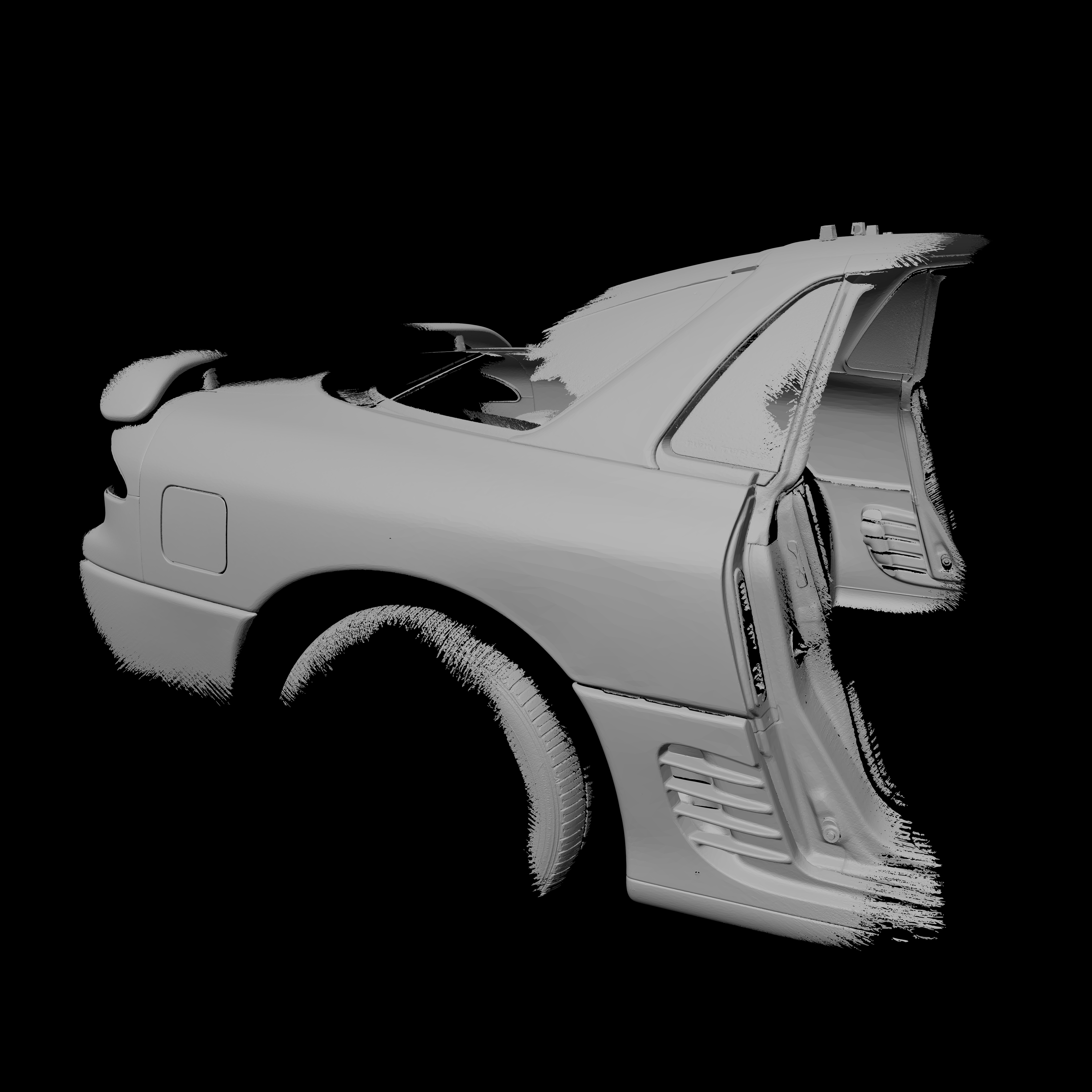
Ongoing project involving a 1992 Mitsubishi 3000GT
Learn The Methods
Funding & Partners
NC State is supported by:
In collaboration with:
F.A.Q.
Do I need expensive equipment to 3D Scan?
Not anymore, thanks to photogrammetry and now gaussian splatting, it is possible to get near photorealistic models with just a smartphone camera.
What’s the difference between a point cloud and a mesh?
A point cloud is just the collection of raw points that are in a 3D space.
A mesh is what connects these points into triangles, creating an entire surface from the point cloud.
What type of 3D scanning is best for my project?
The answer depends on your needs. Assess the size of your project, what detail you need, and what equipment you have to run the necessary programs. The “Learning the Methods” section will break down the strengths of each.